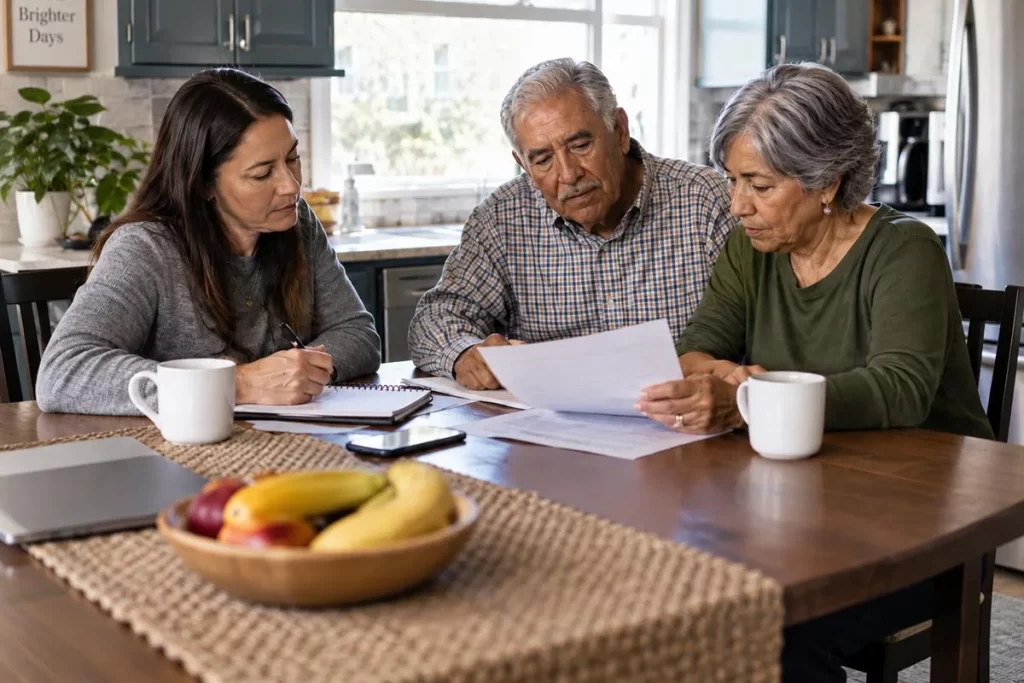
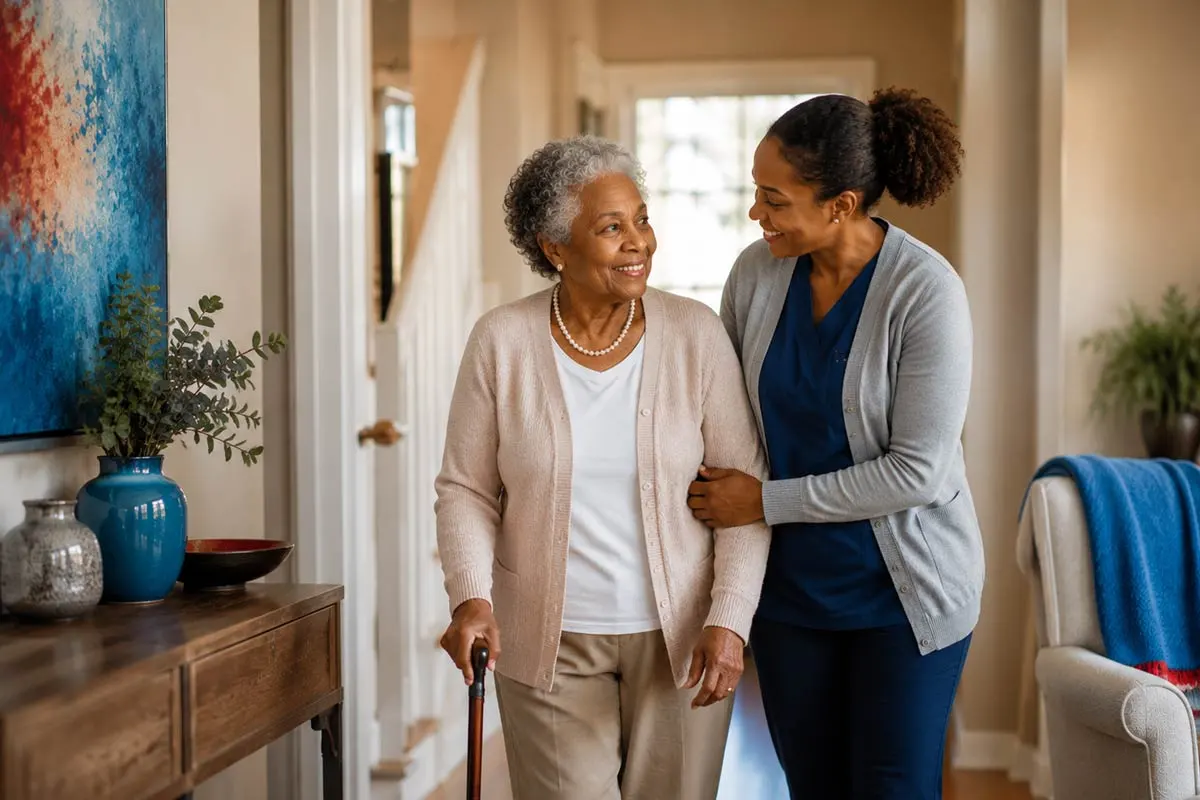
Personalized in-home care helps seniors maintain confidence, mobility, and independence in familiar surroundings.
Table of contents
Show moreShow less- What Is Non-Medical Home Care?
- Understanding the Growing Demand for Senior Home Care
- Services Included in Non-Medical Home Care
- Who Benefits Most From Non-Medical Home Care?
- How Much Does Non-Medical Home Care Cost?
- How to Choose the Right Home Care Provider
- The Future of Senior Home Care
- Conclusion
- Frequently Asked Questions
What Is Non-Medical Home Care?
Picture this for a moment. An older adult wakes up in their own bedroom, makes coffee in a familiar kitchen, and spends the afternoon in a favorite chair looking out at a backyard they have loved for decades. That sense of familiarity matters more than many people realize. Non-medical home care is designed to make this lifestyle possible for seniors who need help with daily living but do not require advanced medical treatment. Instead of focusing on injections, wound care, or clinical procedures, non-medical caregivers help with everyday activities that allow older adults to remain safe, comfortable, and independent at home.
This type of care can include assistance with bathing, dressing, grooming, meal preparation, transportation, companionship, medication reminders, and light housekeeping. Think of it as a bridge between complete independence and full-time nursing care. Many seniors need an extra pair of hands or a reliable companion rather than hospital-level care. Families often discover that these small forms of assistance make a huge difference in quality of life.
The demand for these services continues to rise across the United States as families search for alternatives to nursing homes and assisted living facilities. AARP research found that millions of adults prefer to age in place, meaning they want to remain in their homes rather than move into institutional care. This growing preference is reshaping the senior care industry and changing how families plan for aging loved ones.
The Difference Between Medical and Non-Medical Care
Understanding the distinction between medical and non-medical home care is important because families often confuse the two. Medical home care typically involves licensed healthcare professionals such as nurses, physical therapists, or occupational therapists. These providers handle clinical services prescribed by a doctor. Non-medical home care, on the other hand, focuses on daily living support and emotional well-being.
A helpful way to think about it is this: medical care treats health conditions, while non-medical care supports everyday living. A nurse may administer medication or monitor blood pressure, but a non-medical caregiver may help a senior prepare breakfast, safely get dressed, or travel to a doctor’s appointment. Both services can work together, but they serve different purposes.
Families often begin with non-medical support long before serious health issues appear. In many cases, early assistance helps seniors maintain independence longer and reduces the likelihood of accidents or hospitalizations later. Something as simple as transportation assistance or help with cleaning the home can prevent injuries and significantly reduce stress.
Why More Families Are Choosing In-Home Support
The idea of moving into a nursing facility can feel overwhelming for many older adults. Home represents familiarity, comfort, memories, and personal freedom. Staying home often helps seniors maintain routines that contribute to emotional stability and happiness. That emotional connection is one of the biggest reasons non-medical home care has become so popular.
Cost is another major factor. Full-time assisted living and nursing facilities can become extremely expensive over time. While home care also requires financial planning, families often find it more flexible because they can schedule only the hours of support they truly need. Some seniors need just a few visits per week, while others benefit from daily care.
Another reason families prefer home care is the personalization it offers. Institutional settings usually follow schedules designed for large groups of residents. In-home caregivers can adapt services to fit one individual’s preferences and habits. Meals, routines, hobbies, and sleep schedules remain familiar rather than being dictated by a facility timetable. That level of personalization often improves both physical and emotional well-being.
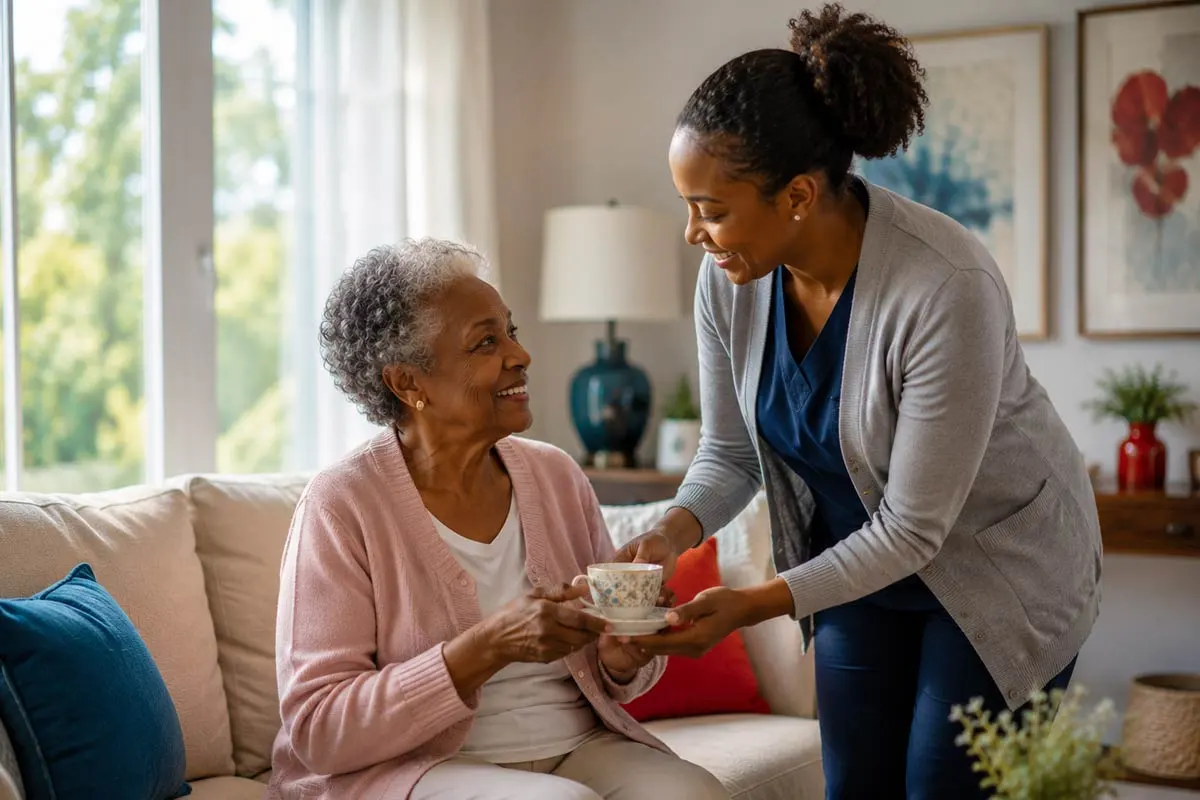
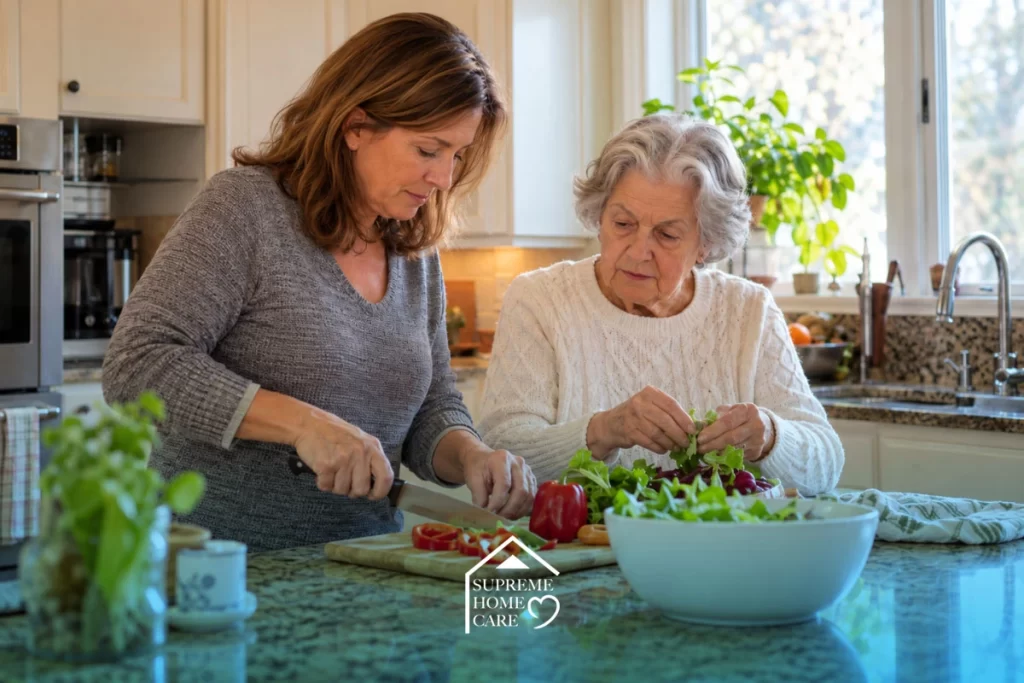
Compassionate non-medical home care brings comfort, companionship, and daily support to seniors at home.
Understanding the Growing Demand for Senior Home Care
America is aging rapidly, and the numbers tell a powerful story. According to CDC data, approximately 10,000 Americans turn 65 every day, and by 2030, one in five Americans will be over age 65. That demographic shift is creating massive demand for flexible senior care solutions that support independence rather than institutional living.
At the same time, more families are balancing careers, children, and caregiving responsibilities. Adult children often want to support aging parents but struggle to provide round-the-clock assistance alone. Non-medical home care fills that gap by giving families reliable support without forcing seniors to leave home.
The healthcare industry is also changing its approach to aging. Hospitals and insurance providers increasingly recognize that helping seniors remain safely at home can reduce hospital visits and long-term healthcare costs. Preventing falls, ensuring medication reminders, and maintaining daily routines can significantly improve health outcomes.
Aging in Place Is Becoming the Preferred Choice
The phrase aging in place has become central to modern senior care discussions. Older adults are increasingly choosing homes over facilities because home environments provide emotional security and a sense of identity. Research shows that nearly 80% of adults over age 50 prefer to remain in their homes as they age.
This preference is influencing everything from housing design to caregiving services. Builders now create homes with wider hallways, walk-in showers, and multigenerational layouts to support older residents. Families are renovating homes to include accessibility features like grab bars and stair lifts. Non-medical caregivers often become essential partners in helping seniors adapt to these changes safely.
There is also a psychological benefit to remaining at home. Familiar surroundings reduce confusion, especially for seniors experiencing memory loss or cognitive decline. Daily routines stay consistent, neighbors remain nearby, and emotional connections to the environment stay intact. These factors can improve mental health and reduce feelings of isolation.
Statistics Behind the Rise of Home Care Services
The growth of the home care industry is impossible to ignore. CDC data indicate that more than 3.3 million patients received home health care services in the United States during a recent reporting year. At the same time, demand for non-medical support services continues to climb as more seniors choose independent living.
Falls remain one of the biggest concerns for older adults. According to the CDC, more than 1 in 4 adults age 65 and older experience a fall every year. Many of these falls occur during everyday activities such as bathing, cooking, or moving around the house. Non-medical caregivers help reduce these risks by assisting with mobility, household organization, and routine monitoring. Understanding the warning signs early can help prevent accidents and reduce unnecessary hospital visits.
Caregiving itself has also become a major social and economic issue. AARP estimates that roughly 63 million Americans provide caregiving support to loved ones. Many family caregivers experience emotional stress, financial pressure, and burnout. Professional home care services provide relief while improving the quality of care seniors receive.
Services Included in Non-Medical Home Care
One of the biggest misconceptions about non-medical home care is that it only involves companionship. In reality, these services cover a broad range of daily needs that help seniors maintain independence safely. Every care plan can be customized based on the senior’s lifestyle, physical condition, and personal preferences.
Some seniors only need occasional transportation or help with groceries. Others may require daily assistance with bathing, dressing, cooking, and mobility. Flexibility is one of the strongest advantages of in-home care because services can evolve as needs change over time.
Personal Care Assistance
Personal care assistance is often the foundation of non-medical home care. Many older adults struggle with Activities of Daily Living, commonly called ADLs. These include bathing, dressing, grooming, toileting, and mobility. While these tasks may sound simple, they can become physically exhausting or dangerous for seniors with arthritis, balance issues, or reduced strength.
Caregivers help seniors perform these activities safely while preserving dignity and independence. This support often prevents falls and injuries that could otherwise lead to hospitalization. For families, knowing a loved one has assistance with these essential tasks provides enormous peace of mind.
Companion Care and Emotional Support
Loneliness is one of the most overlooked health risks facing older adults today. Social isolation can increase the risk of depression, anxiety, cognitive decline, and even physical illness. Companion care addresses this issue by providing seniors with conversation, emotional support, and meaningful social interaction.
Sometimes companionship is as simple as sharing meals, playing cards, watching favorite television shows, or going for walks together. These moments create connection and emotional stability. Caregivers often become trusted friends who help seniors feel valued and engaged rather than isolated.
Meal Preparation and Nutrition Help
Nutrition becomes increasingly important with age, yet many seniors struggle to maintain healthy eating habits. Cooking may feel physically demanding, grocery shopping can become difficult, and some older adults lose motivation to prepare balanced meals for themselves. Following practical nutrition tips can help seniors maintain better energy levels, hydration, and overall wellness while aging at home.
Non-medical caregivers assist with meal planning, grocery shopping, cooking, and monitoring dietary needs. This support helps seniors maintain proper nutrition and hydration, both of which directly affect energy levels, immune function, and overall health. Healthy meals also help manage chronic conditions such as diabetes and high blood pressure.
Light Housekeeping and Laundry
A cluttered or poorly maintained home creates serious safety risks for seniors. Simple household chores like vacuuming, laundry, changing bed linens, or cleaning bathrooms can become exhausting or dangerous. Caregivers help maintain a clean and organized living environment that supports safety and comfort.
This type of assistance may seem small, but it has a huge impact on quality of life. Clean surroundings reduce stress, improve mobility, and lower the risk of falls caused by clutter or slippery surfaces.
Who Benefits Most From Non-Medical Home Care?
Not every senior requires full-time nursing support, but many older adults benefit from assistance in subtle ways. Non-medical home care works especially well for individuals who want to stay independent while receiving practical support tailored to their needs.
Seniors Living Alone
Older adults who live alone often face challenges related to safety, loneliness, and household management. Tasks that once felt routine may become difficult over time. Even something simple like carrying groceries or navigating icy sidewalks can pose risks.
A caregiver provides reassurance and regular human interaction while helping with daily responsibilities. Families also gain peace of mind knowing someone is checking in consistently.
Individuals Recovering From Surgery or Illness
Recovery periods after surgery or illness can leave seniors temporarily unable to manage daily tasks alone. Non-medical caregivers assist during this transition by helping with mobility, meals, transportation, and household chores until independence improves.
This short-term support often speeds recovery because seniors can focus on healing rather than overexerting themselves with household responsibilities.
Family Caregivers Needing Relief
Family caregiving can feel like running a marathon without rest. Adult children frequently balance work schedules, parenting responsibilities, and caregiving duties simultaneously. Respite care allows family caregivers to recharge while ensuring their loved ones continue to receive reliable support.
That balance is essential because caregiver burnout can affect both the caregiver’s health and the quality of care provided.
How Much Does Non-Medical Home Care Cost?
Costs vary depending on location, care needs, and the number of service hours required. Families may choose hourly care, overnight care, or even live-in support depending on circumstances.
Factors That Affect Pricing
Several factors influence home care costs, including geographic location, caregiver experience, and level of support needed. Urban areas generally have higher hourly rates than smaller towns. Weekend or overnight care may also cost more than daytime services.
The number of weekly care hours also plays a major role. Some families only require a few hours of companionship weekly, while others need full-day assistance.
Insurance, Medicare, and Payment Options
One of the biggest misconceptions about senior home care is that Medicare covers everything. Traditional Medicare generally does not pay for long-term non-medical custodial care. Families often rely on private pay, long-term care insurance, Medicaid waivers, or veterans’ benefits to help offset costs.
Planning early is important because care needs often increase gradually over time. Many families explore financial strategies before emergencies arise so they can make thoughtful decisions rather than rushed ones.
How to Choose the Right Home Care Provider
Choosing a caregiver is deeply personal because families are inviting someone into a loved one’s daily life and home environment. Trust, communication, and reliability matter enormously.
Questions Families Should Ask
Families should ask providers detailed questions about caregiver training, background checks, scheduling flexibility, and emergency procedures. It is also important to understand how agencies handle caregiver replacements if schedules change unexpectedly.
Asking about personality matching can also help. Compatibility between caregiver and senior often determines whether the relationship feels comfortable and natural.
Warning Signs to Watch For
Not all home care providers offer the same quality of service. Families should be cautious of agencies with poor communication, inconsistent scheduling, unclear pricing, or limited caregiver screening procedures.
Transparency matters. Reliable agencies explain services clearly, maintain strong communication, and provide written care plans that families can review.
The Future of Senior Home Care
Technology is rapidly transforming the senior care industry. Smart home devices, medication reminders, fall detection systems, and remote monitoring tools are becoming common parts of aging-in-place strategies. Many families are now exploring how homecare technology can support safer independent living while providing additional peace of mind for loved ones.
Still, technology cannot replace human connection. Families continue prioritizing compassionate caregivers who provide emotional reassurance alongside practical support. The future of non-medical home care will likely combine technology with highly personalized caregiving experiences.
Technology and Smart Home Support
Voice assistants, smart sensors, and wearable devices help caregivers monitor safety without invading privacy. These tools can detect falls, monitor movement patterns, and remind seniors about medications or appointments.
Technology also improves communication between families and caregivers, allowing loved ones to stay informed about care routines and well-being.
Why Personalized Care Is Becoming the New Standard
No two seniors age the same way. Some value social interaction most, while others prioritize mobility support or household help. Personalized care plans recognize these differences and adapt services accordingly.
This shift toward individualized care is one reason non-medical home care continues growing rapidly. Families increasingly want flexible solutions tailored to the individual rather than rigid institutional routines.
Conclusion
independent, comfortable, and emotionally connected to the places they call home. Families researching the home care services guide often discover that personalized daily support can dramatically improve quality of life without requiring seniors to leave familiar surroundings. Instead of forcing older adults into unfamiliar environments, this type of care supports daily living while preserving dignity and personal freedom.
Families also benefit tremendously from professional support. Caregivers reduce stress, improve safety, and provide companionship that helps seniors maintain emotional well-being. As America’s senior population continues growing, home care services will likely become even more central to how families approach aging.
The future of senior care is no longer centered only around facilities and institutions. It is increasingly focused on helping people live safely and confidently where they feel happiest — at home.
Have more questions about Non-Medical Home Care for Seniors? Contact us today. Our compassionate team can guide you through your home care needs and help you find the right support for your loved one.